Wandsworth Council rules for household waste in Battersea
Posted on 11/10/2026
Wandsworth Council rules for household waste in Battersea: a practical local guide
If you live in Battersea, household waste can feel straightforward one day and oddly confusing the next. One bin is for this, another bag is for that, and then there are the awkward bits: broken furniture, garden cuttings after a weekend tidy-up, or that old kettle you have been meaning to deal with for months. This guide explains the Wandsworth Council rules for household waste in Battersea in plain English, so you know what should go out, what should stay in, and how to avoid the small mistakes that cause the big frustrations.
We will walk through how local collections usually work, what most households need to do, where people slip up, and how to make waste disposal simpler without overthinking it. Truth be told, waste rules are not glamorous. But getting them right saves time, keeps your street tidier, and helps you avoid rejected bins or messy overspill on collection day.
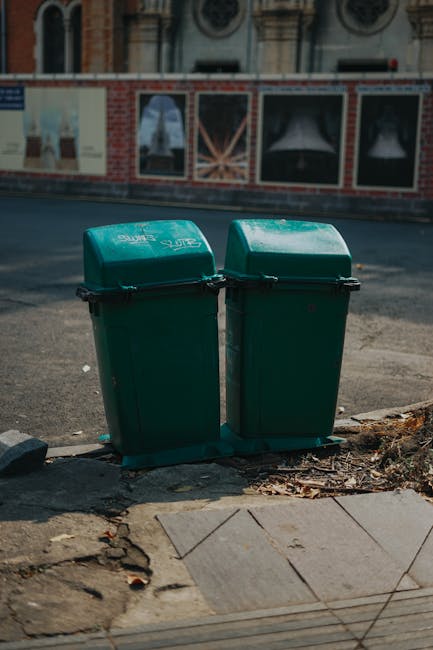
Why Wandsworth Council rules for household waste in Battersea Matters
Battersea is busy, dense, and varied. You have mansion blocks, terraces, converted flats, modern developments, and houses with different collection setups. That mix matters. If you do not understand the local waste rules, it is easy to put out the wrong container, miss a collection, or leave items on the pavement that should have been booked or separated.
For residents, the rules are not just a civic tidy-up exercise. They affect daily life. Missed collections can create odours in warm weather, attract pests, and make a narrow shared bin store feel even tighter than it already is. And if you have ever come home to see a ripped sack after gulls have had a go, you know the feeling. Not ideal.
There is also a practical side for landlords, managing agents, and anyone moving in or out. Battersea sees a fair amount of tenancy turnover, and with that comes more furniture, packaging, mixed rubbish, and the occasional mystery pile of "someone will sort that later." Later usually arrives quickly. Getting the waste basics right keeps properties cleaner and reduces complaints from neighbours.
Expert summary: the goal is simple: separate waste properly, present it correctly, and use the right route for bulky, recyclable, and non-household items. If you do that, most of the friction disappears.
How Wandsworth Council rules for household waste in Battersea Works
At a high level, the system is built around regular domestic collections and clear separation of materials. In practice, that means your household waste is usually expected to go into the correct bins or sacks, with recycling kept apart from general rubbish. Depending on the property type, storage space, and street layout, collection arrangements can vary a bit. That is normal in London.
The key point is to follow the collection method set for your address. Some households have dedicated bins, some rely on shared communal facilities, and some properties have arrangements that feel a little more complicated than they should. If you are in a flat, for example, you may have to use communal recycling and residual waste areas rather than putting anything kerbside in the way a householder would.
Household waste commonly falls into a few broad groups:
- General waste: items that cannot be recycled through the normal household recycling stream.
- Recycling: clean and suitable recyclable materials placed in the correct container.
- Food waste: where the local collection system and property setup allow it.
- Garden waste: usually handled differently from everyday household rubbish.
- Bulky items: furniture, mattresses, white goods, and similar items that need a separate route.
One thing people often miss is contamination. A recycling bin can be rejected, or at least cause problems, if it is filled with food-soiled packaging, loose black sacks, or mixed rubbish. A little care goes a long way. Let's face it, no one wants to be that household with the bin everyone else in the block quietly complains about.
If you are dealing with anything outside the normal weekly rhythm, such as a clearance, move-out, renovation, or a big declutter, it can help to look at specialist options like domestic waste collection in Battersea or broader waste removal support when the job is simply too much for standard bins.
Key Benefits and Practical Advantages
Following the rules properly sounds basic, but it pays off in a few real ways.
1. Fewer bin problems. Correct sorting reduces the risk of missed collection, overflow, or the awkward bin left behind because it was contaminated or overfilled.
2. Cleaner shared spaces. In Battersea flats and estates, neat disposal keeps bin stores, back alleys, and communal paths more pleasant to use. That matters more than people think.
3. Less stress on collection day. When you already know what goes where, you are not standing at the window at 7:00 a.m. wondering if the box with mixed wrapping paper was a good idea. Spoiler: probably not.
4. Better recycling outcomes. Clean, correctly separated materials are more likely to be processed properly. That is good for the environment and better for the local system overall.
5. Easier moves and clearances. If you are clearing a flat or landlord property, the right waste process saves time and keeps everything orderly, especially in busy streets where access is tight.
For homes with larger items, it is also useful to know where furniture and appliances should go. A sofa left by the front door is not the same as a scheduled bulky collection. If you need help with heavy or awkward items, services such as furniture removal in Battersea and white goods and appliance disposal can make life much easier.
Who This Is For and When It Makes Sense
This guidance is useful for anyone living or managing a property in Battersea, but a few groups will feel it most acutely.
- Households with regular council collections who want to avoid mix-ups and rejected bins.
- Flat residents using communal bin stores, where one person's mistake can affect everyone.
- Landlords and letting agents dealing with end-of-tenancy waste, abandoned items, or new tenant move-ins.
- Homeowners doing spring cleans who suddenly discover a shocking number of things stored in cupboards "just in case."
- People clearing gardens, lofts, or garages after a renovation, a house move, or years of gentle accumulation.
It also makes sense if you are trying to decide whether standard household disposal is enough or whether you need a one-off clearance. A quick rule of thumb: if the waste is too bulky, too mixed, too heavy, or too much for your usual bins, you probably need a different route.
And yes, that is often where people underestimate the job. One bag becomes three. Three becomes a hallway full of boxes. Somehow it always does.
Step-by-Step Guidance
If you want the simplest possible approach, use this process each time waste builds up.
- Sort what you have. Separate general waste, recycling, food waste, garden waste, and bulky items before you touch the bin store.
- Check what is clean and recyclable. Rinse or empty packaging where appropriate. Do not put dirty cardboard or greasy containers straight into recycling unless they are accepted by the collection system you use.
- Use the correct container. Match the material to the bin or sack set out for your property. If you are in a flat, follow the communal setup rather than guessing.
- Keep rubbish contained. Loose waste, torn bags, and open boxes tend to create mess and attract pests. Secure it properly.
- Present bins on the correct day and time. The timing matters. A bin put out too late can mean a missed round and an unnecessary wait.
- Handle bulky waste separately. Do not leave furniture, mattresses, or appliances beside general bins unless a collection has been arranged.
- Take care with hazardous or specialist items. Things like paint, chemicals, batteries, and similar materials often need separate handling, not the household bin.
If you are clearing several rooms, work room by room. That sounds obvious, but it keeps the process manageable. Kitchen first, then living room, then bedrooms. Small wins. You start seeing progress quickly.
For larger mixed loads, many residents find it easier to combine sorting with a planned removal. In those cases, house clearance in Battersea or loft clearance support may be more efficient than trying to fit everything into standard collections over several weeks.
Expert Tips for Better Results
After working through enough domestic clearances, a few patterns become obvious.
Keep one "sorting zone." If you place all outgoing waste in one corner, the job becomes calmer. Kitchens and hallways stay usable, and you can check categories before anything leaves the property.
Flatten cardboard before collection day. It saves space in the bin and in the store. A box that looks small can eat half the container once it is unfolded. Funny how that works.
Avoid wishful recycling. If something is stained, mixed, or made of several bonded materials, pause and check whether it really belongs in recycling. Being optimistic about a coffee-soaked pizza box does not help anyone.
Think about neighbours and access. In Battersea, space is often tight. Put bins neatly where they can be collected without blocking gates, pavements, or shared entrances.
Plan around busy life moments. If you are moving house, having works done, or dealing with school holidays, waste builds up faster than you think. Set aside fifteen minutes early rather than trying to do everything at once on the last evening.
Use the right route for special items. A broken wardrobe, old mattress, or garden cuttings from a weekend trim are not the same as normal black-bag waste. Treat them differently and the whole process gets easier.
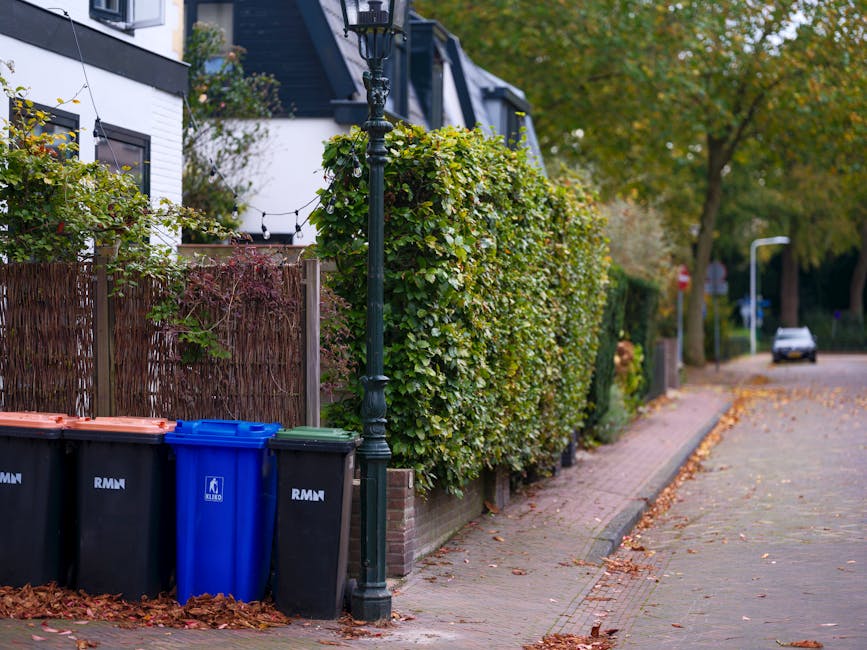
Common Mistakes to Avoid
The same problems come up again and again, and honestly, most of them are avoidable.
- Mixing recycling with general waste. Even a small amount of contamination can cause issues.
- Overfilling bins. Lids should close properly. If they cannot, you are probably over the line.
- Leaving items beside communal bins. That creates clutter and can quickly become a nuisance.
- Putting out bulky waste without arranging collection. This is one of the easiest ways to create a mess that lingers.
- Using the wrong sack or container. Not every property uses the same waste setup, so copying a neighbour is not always wise.
- Forgetting hazardous items. Batteries, sharps, chemicals, and some electricals need more care than a standard bin provides.
Another common issue is underestimating how fast waste piles up after a move, a renovation, or a clear-out. You tidy one shelf, then another, and before long you have bags in the hallway and a full bin already. Happens all the time.
Tools, Resources and Recommendations
You do not need fancy kit, but a few simple tools make waste management much easier.
- Sturdy bin bags: better than thin bags that split halfway to the bin store.
- Reusable boxes or crates: handy for separating recycling and keeping things tidy indoors.
- Labels: useful for shared homes or landlord properties where more than one person is handling waste.
- Basic gloves and cleaning supplies: useful after sorting a loft, garage, or garden area.
- A simple calendar reminder: surprisingly effective for collection day and bulky item planning.
If you are dealing with more than normal household waste, it is worth looking at specialised support rather than forcing everything through a standard collection. That can include builders waste disposal in Battersea for renovation debris, garden waste removal after outdoor work, or furniture disposal in Battersea when heavy items are the main issue.
If you are weighing up cost and convenience, it also helps to compare planned removal against the hidden cost of time, missed collections, and repeated trips. In many cases, the cheapest option is not the one that looks cheapest at first glance. That is just life, really.
Law, Compliance, Standards, or Best Practice
Household waste handling sits within wider UK waste duties and local collection arrangements. For residents, the practical takeaway is straightforward: present waste in the way the local authority expects, do not dump items on pavements, and use proper routes for bulky, hazardous, or specialist waste. If you are in a shared building, the standards are often about good housekeeping as much as anything else.
Best practice usually means:
- keeping waste separated correctly
- avoiding contamination in recycling streams
- not obstructing shared access routes
- placing waste out at the right time
- using licensed and compliant handlers when private removal is needed
If you are appointing a waste contractor, due diligence matters. You want a provider that understands domestic waste handling, health and safety, and responsible disposal. A useful starting point is reviewing waste carrier licence and compliance, along with the company's broader approach to insurance and safety. That is not overkill. It is sensible.
For local residents, the rule of thumb is simple: if you are unsure whether an item belongs in the household system, do not guess. Check the property's collection setup or choose a separate disposal route. A five-minute check can save a day of hassle.
Options, Methods, or Comparison Table
There is more than one way to deal with household waste in Battersea. The right method depends on how much you have, what it is made of, and how quickly it needs to go.
| Method | Best for | Pros | Watch-outs |
|---|---|---|---|
| Regular household bins | Everyday rubbish and accepted recycling | Simple, routine, usually low effort | Limited capacity, strict sorting, missed collections if overloaded |
| Communal bin stores | Flats and managed properties | Shared system, suited to denser housing | Can become messy quickly if residents do not follow the rules |
| Bulky item collection | Furniture, mattresses, white goods | Good for large single items, reduces clutter | Needs planning and correct presentation |
| Specialist waste removal | Clearances, mixed loads, renovation debris | Fast, flexible, handles awkward items | Usually not necessary for small everyday waste |
In practical terms, most households live in the first two rows. Once the load gets bigger, messier, or time-sensitive, the latter two options become more attractive. A landlord clearing a flat after tenants leave will almost always think differently from a couple just trying to empty a recycling box. Different jobs, different tools.
Case Study or Real-World Example
Imagine a Battersea flat after a tenancy ends. The hallway has a couple of broken chairs, some flattened boxes from deliveries, a small pile of mixed rubbish from the final day, and a vacuum cleaner that has finally given up the ghost. On paper, it does not sound like much. In reality, it is a bit awkward because the building has limited storage and a shared bin area.
If the occupier tries to put everything into one general waste stream, the bins may overflow. If they leave the chairs outside "just for a moment," they create a problem for neighbours and building management. If they mix recyclable cardboard with food waste and black sacks, the recycling stream becomes less useful. You can see where this is going.
The better approach is to sort the items first, keep the clean cardboard separate, remove the small general rubbish in the correct bins, and arrange a proper route for the chairs and broken appliance. That leaves the communal area clear and avoids the kind of last-minute scramble that always seems to happen on a rainy evening when everyone is carrying something heavy.
This is where a planned service can be worth it. For example, a resident might use rubbish collection in Battersea for mixed household waste and pair it with a targeted furniture or appliance solution. It is calmer, quicker, and far less likely to end with bags in the wrong place.
Practical Checklist
Before collection day, run through this checklist.
- Have I separated general waste from recycling?
- Have I checked whether anything needs special handling?
- Are all bags tied securely and not overfilled?
- Are bins stored and presented in the right place?
- Have I flattened cardboard and removed obvious contamination?
- Do I have any bulky items that need a separate collection?
- Have I avoided leaving loose waste in shared spaces?
- Do I know what time the collection is due?
- Is there anything hazardous, sharp, or electrical that should not go out with normal rubbish?
- Have I chosen the simplest route for the amount of waste I actually have?
If you can tick most of those off, you are in good shape. Not perfect, just organised. And honestly, organised is usually enough.
Conclusion
Understanding the Wandsworth Council rules for household waste in Battersea does not need to be complicated. The basics are simple: sort properly, use the right container, keep shared spaces tidy, and choose separate disposal routes for bulky or special items. Once you build those habits, collection day becomes a routine rather than a headache.
That is the real win here. Less clutter. Fewer mistakes. Cleaner hallways, cleaner streets, fewer little arguments over whose box went where. In a place like Battersea, where space matters and life moves quickly, that kind of calm is worth having.
Get a free quote today and see how much you can save.
If you are still unsure what to do with a mixed load, a bulky item, or a property clearance, it is better to ask once than to fix the same mistake twice. A small bit of planning now can save a lot of faff later, and that is usually the nicest kind of win.