Queenstown Road estate clearance guide for landlords
Posted on 10/08/2026
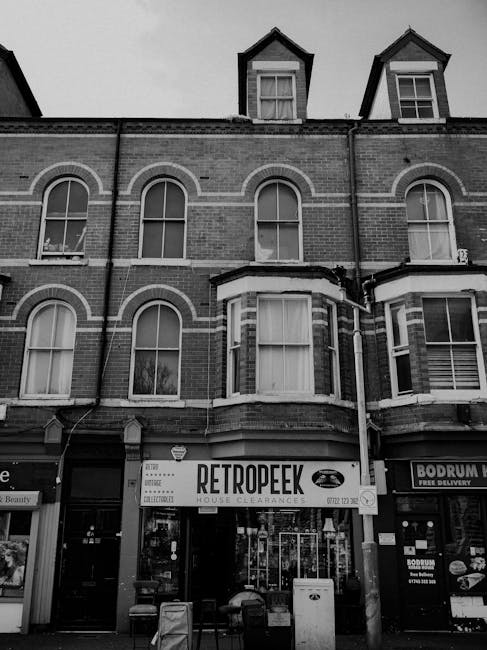
If you rent out property near Queenstown Road, you already know how quickly a clear-out can turn from a simple task into a small logistical headache. A tenancy ends, the keys come back, and suddenly there is furniture to remove, bags in the loft, a fridge in the kitchen, odds and ends in the hallway, and maybe a bit of mystery clutter nobody claims. This Queenstown Road estate clearance guide for landlords is here to make that process calmer, cleaner, and far less time-consuming.
Whether you manage one flat or several, the aim is the same: get the property ready for re-let without unnecessary delays, awkward disputes, or avoidable waste handling mistakes. Let's face it, the last thing you want is a gap between tenancies because a clearance was rushed or half-done.
In this guide, we'll walk through what estate clearance actually involves for landlords in the Queenstown Road area, how the process works, what to watch out for, and how to choose the most sensible clearance route for the condition and contents of the property.
Why Queenstown Road estate clearance matters for landlords
Estate clearance is more than "getting rid of stuff." For landlords, it is part of protecting the property, reducing vacancy time, and making sure the next tenant starts with a clean, presentable space. In a busy rental market, especially around well-connected London locations, even a short delay can matter.
Queenstown Road sits in an area where demand for good rental homes tends to be driven by convenience, transport links, and the general appeal of Battersea living. If you want a broader sense of the local backdrop, the article on the real estate market in Battersea gives useful context on why presentation and speed matter so much. Properties that are cleared quickly and professionally often photograph better, view better, and re-let faster. Simple, but true.
Clearance also matters because it helps separate normal wear-and-tear from actual damage, and that distinction can influence deposit discussions. A room full of leftover furniture can hide scuffs, damp spots, or broken fittings. Once the space is empty, you can see what really needs attention. You know how it is - a cluttered room tells half the story, maybe less.
There's another angle too: safety. Old mattresses, loose shelving, broken appliances, and random bulky items create trip hazards for contractors, cleaners, and letting agents. If you are arranging works before re-marketing the property, a clean clearance is often the difference between an efficient handover and a week of stop-start problems.
Expert summary: For landlords, estate clearance is not just about tidying up; it is a property-readiness task. The quicker you remove unwanted contents, the easier it becomes to inspect, clean, repair, and re-let with confidence.
How Queenstown Road estate clearance guide for landlords Works
In practical terms, landlord estate clearance usually starts with a property assessment. You identify what must be removed, what may be reusable, what needs special handling, and whether the job is a straightforward furniture removal or a more involved full clearance. A compact flat with a few leftover items is one thing. A multi-room property with loft storage, appliances, and garden debris is another.
The process often follows a fairly predictable pattern:
- Walk through the property and note all items that remain.
- Sort contents into keep, donate, recycle, and dispose.
- Identify bulky items such as sofas, wardrobes, white goods, and mattresses.
- Check for special waste like fridges, paint, or anything potentially hazardous.
- Book the right clearance method based on size, urgency, and access.
- Clear the property and confirm it is left empty and ready for the next step.
For many landlords, the most time-efficient route is to combine property clearance with wider waste handling. If the property has more mixed rubbish than furniture, a general waste removal service can be more practical than trying to manage every item separately. If the main issue is furnishings, then a targeted furniture removal service may be the better fit.
In some cases, the property needs a full internal clear-out after long occupancy, a refurbishment, or a tenancy where belongings were left behind. That is where a structured house clearance approach makes sense, especially if there are multiple categories of waste and plenty of lifting involved.
Key Benefits and Practical Advantages
A well-managed clearance saves time, but that is only the beginning. The real value comes from what it unlocks afterwards. Once the property is empty, everything else becomes easier to do properly.
- Faster re-let timelines: Empty rooms can be cleaned, decorated, and photographed without delay.
- Better property inspections: Damage, stains, and repairs are easier to spot once clutter is gone.
- Cleaner marketing photos: A vacant, tidy property usually performs better in listings.
- Reduced risk of complaints: Fewer leftover items means fewer arguments about what belongs to whom.
- Safer contractor access: Tradespeople can work without navigating piles of old furniture or rubbish.
- More efficient waste handling: Sorting on site often makes disposal simpler and more cost-aware.
There is also a reputational advantage. Good tenants notice when a landlord maintains standards. A clean, well-prepared property signals care. That can be quite persuasive, even if nobody says it out loud. It gives a better first impression, and first impressions are stubborn things.
If your portfolio includes flats with storage rooms, roof spaces, or old furniture left in awkward corners, it may be worth reading about loft clearance as well. Many landlord problems start with "just a few things in the loft," and then suddenly it is boxes, broken rails, winter decorations, and a vacuum cleaner from 2016.
Who This Is For and When It Makes Sense
This guide is aimed at landlords, buy-to-let owners, estate managers, and letting agents handling property turnover around Queenstown Road and nearby parts of Battersea. It also helps if you are a landlord dealing with inherited contents, tenant abandonment, end-of-tenancy clutter, or pre-sale clearances on a rental asset.
It tends to make sense in the following situations:
- The tenant has moved out and left furniture or rubbish behind.
- You need the property cleared before cleaners or decorators can start.
- The flat has been used partially for storage and needs a reset.
- You are preparing the property for inspection, sale, or refurbishment.
- There are bulky items that are too awkward to remove with a standard rubbish bag approach.
- You need a quick turnaround between tenancies.
If you manage a mixed property type, you may also need support for outbuildings, outside spaces, or waste from minor works. In those cases, services like builders waste disposal or garden waste removal can be relevant alongside the main clearance. A back garden with broken chairs, planters, and old fencing can take up more time than the whole living room, honestly.
Step-by-Step Guidance
Here is a practical way to handle a landlord clearance without overcomplicating it.
1) Start with a full inventory of what remains
Before anything gets lifted, make a simple inventory. List furniture, appliances, loose rubbish, paperwork, and anything stored in cupboards, lofts, or under beds. This is not glamorous work, but it pays off. If there is a dispute later, you will be glad you made the list.
2) Separate obvious waste from potentially reusable items
Some items are beyond saving. Others may be clean enough to reuse, donate, or pass on for salvage. A solid timber table, for example, may be worth rehoming rather than sending straight to disposal. For readers interested in second-life materials, the piece on DIY projects using salvaged building materials is a good reminder that not everything old is worthless.
3) Flag appliances and awkward items early
White goods deserve special attention. Fridges, freezers, washing machines, and dishwashers are heavy, awkward, and sometimes restricted in how they should be handled. If your clearance includes appliances, a dedicated appliance disposal option can save a lot of hassle.
4) Check access before booking
Queenstown Road properties may come with tight stairwells, limited parking, controlled access, or shared entrances. A job that looks simple on paper can get fiddly fast. Measure door widths if needed, note lift access, and be honest about whether bulky items need to come down multiple floors. The crew will thank you, and so will your timeline.
5) Choose the right clearance method
Not every job needs a full house clearance. A smaller tenancy may only need targeted furniture removal and a few sacks of rubbish collection. If the property is full of mixed waste, a broader rubbish collection service may fit better. If you need a stronger end-to-end solution, a combined waste removal approach often keeps things simpler.
6) Confirm the property is truly clear
Do a final walk-through. Check cupboards, behind doors, under sinks, and in storage spaces. The number of times a single suitcase or old printer survives a clearance is, well, surprisingly high. You do not want a second visit because someone forgot the broom cupboard.
Expert Tips for Better Results
After a while, the difference between a smooth clearance and a messy one usually comes down to planning. Here are the details that help most.
- Schedule clearance before cleaning. It is almost always better to clear first and deep-clean second.
- Photograph problem areas. If anything is disputed, photos help you explain what was there and why it needed removal.
- Keep one decision-maker. Too many voices slow the process. Pick one person to approve what stays and what goes.
- Ask about recycling options. Responsible disposal is not just a nice extra; it is part of good property management. If sustainability matters to you, the site's recycling and sustainability page is worth a look.
- Be realistic about timing. A small flat may be cleared quickly, but a full property with stair access and heavy items can take longer than expected.
There is also a practical local angle. If you are trying to line up a clearance with viewing appointments or contractor visits, same-day or rapid-response support can be handy. A short read on same-day rubbish removal in Battersea Power Station SW11 may help if your turnaround window is tight. And yes, sometimes landlord life is basically calendar Tetris.

Common Mistakes to Avoid
Most clearance problems are avoidable. A few, though, keep showing up.
- Assuming the tenant has removed everything. Always verify.
- Mixing hazardous items with general waste. Paints, chemicals, and certain electrical items need more care.
- Booking the wrong type of service. Furniture-heavy jobs are different from mixed rubbish jobs.
- Forgetting storage spaces. Lofts, cupboards, and sheds are easy to miss.
- Leaving clearance until the last minute. This is how schedules slip and contractors wait around.
- Ignoring access constraints. Narrow stairs and limited parking can change the whole job plan.
Another common one: not thinking about how leftover items affect the next stage. For example, if you are moving straight into decorating, a missed sofa or mattress can hold up paint, cleaning, and flooring work. That sounds obvious, but in real life people are busy and details get missed. Happens all the time.
Tools, Resources and Recommendations
You do not need a toolbox full of specialist gear to manage a landlord clearance, but a few practical items help.
- Basic checklist for each room and storage area.
- Phone camera to record what was left behind.
- Labels or sticky notes for keep, clear, recycle, and review.
- Gloves and sturdy footwear if you are doing any early sorting yourself.
- Access notes for parking, keys, codes, and lift restrictions.
For landlords who deal with recurring property turnover, it helps to work from a repeatable process. That might mean keeping a standard exit checklist, using the same contractor brief each time, and setting a fixed order: inspect, sort, clear, clean, repair. Simple structure beats improvisation more often than not.
If the contents are mostly office-style items from a live-work property or a short-term commercial tenancy, an office clearance style service may be more relevant than a domestic one. The naming matters less than the actual contents, so match the service to the mess, not the postcode mood.
For broader service background, the services overview page is useful if you want to understand how different waste and clearance options fit together, while pricing and quotes can help you think about scope and budget before booking.
Law, Compliance, Standards, or Best Practice
Landlords should be careful about waste disposal responsibilities. In the UK, it is good practice to make sure waste is handled by a properly authorised operator and not dumped, fly-tipped, or left with an unverified third party. That matters because if waste is not managed properly, the landlord can end up dealing with a much bigger headache than a bit of leftover furniture.
Best practice usually includes:
- checking that the collector is legitimate and transparent about waste handling,
- keeping records of what was removed and when,
- separating general waste from anything that needs special treatment,
- avoiding unsafe lifting or DIY disposal that could cause injury or damage,
- making sure the property is left safe and ready for the next user.
If you are comparing providers, it is sensible to review how they approach safety, handling, and accountability. The page on insurance and safety is relevant here, and so is the page on waste carrier licence and compliance. Those details may not sound exciting, granted, but they matter when something goes wrong - or better yet, prevent it from going wrong in the first place.
Landlords should also keep privacy in mind. Clearance can uncover mail, documents, or personal items left behind by tenants. Handle those carefully and do not assume they should simply be binned. If you ever need to reference the company's own policies, the privacy policy and terms and conditions pages provide a useful framework for how service arrangements are usually set out.
Options, Methods, or Comparison Table
Choosing the right clearance method depends on the type of property, the amount of material, and how fast you need the space back. Here is a simple comparison.
| Method | Best for | Strengths | Watch-outs |
|---|---|---|---|
| DIY clearance | Very small amounts of light waste | Low direct cost if you already have transport | Time-consuming, heavy lifting, disposal logistics |
| Furniture removal | Sofas, beds, wardrobes, tables | Good for bulky items, straightforward setup | May not cover mixed rubbish or small debris |
| House clearance | Full tenancy clear-outs | Most comprehensive, saves coordination time | Needs clear access and item sorting |
| Rubbish collection | Bags, loose waste, mixed clutter | Flexible and practical for quick turnarounds | Bulky items may need extra handling |
| Waste removal | Mixed contents, end-of-tenancy mess, lighter refurbishment waste | Broad coverage and convenient for landlords | Needs good description of the load before booking |
For landlords who want a balance of speed and simplicity, a professional clearance route usually wins. DIY can work if it is genuinely tiny. But once you are staring at a mattress, a broken desk, and half a bag of random cables, the charm wears off pretty fast.
Case Study or Real-World Example
Here is a realistic landlord scenario.
A landlord managing a two-bedroom flat near Queenstown Road receives the keys back after a long tenancy. The tenants have left a sofa, two dining chairs, a TV stand, three bags of mixed rubbish, a broken clothes rail, and an old fridge in the kitchen. There is also a box of paperwork in a cupboard and a few items in the loft hatch area.
At first glance, it looks manageable. Then you remember the fridge, the stairs, and the limited parking. Suddenly, not so simple.
The landlord takes the following approach:
- Photographs all remaining items before moving anything.
- Separates personal paperwork for review rather than immediate disposal.
- Books a clearance service that can handle both bulky furniture and mixed waste.
- Flags the appliance for specialist handling.
- Schedules cleaning and minor repairs for the next day.
The result is a clearer inspection, quicker cleaning, and no delay to marketing the property. That is the real benefit. Not perfection. Just momentum.
In a slightly different case, a landlord with a ground-floor flat and a small garden might need a blend of internal clearance and furniture disposal, plus a bit of domestic waste collection for the leftover sacks and loose bits. Small jobs can still be surprisingly fiddly, especially when you are trying to get them done between viewings and contractor visits.
Practical Checklist
Use this checklist before you book or carry out a landlord clearance near Queenstown Road.
- Walk through every room, cupboard, and storage area.
- List all furniture, appliances, and waste left behind.
- Take clear photos for records.
- Separate personal documents and anything that may need review.
- Identify bulky items, white goods, and awkward loads.
- Note access issues such as stairs, lifts, parking, and restricted entry.
- Decide whether you need furniture removal, rubbish collection, or full house clearance.
- Check whether any items need special handling.
- Confirm the property will be empty before cleaning starts.
- Arrange follow-on work such as cleaning, repairs, or redecoration.
Quick reminder: the cleaner the handover, the easier the next tenancy usually becomes. That sounds obvious, but it is amazing how often a rushed exit leads to avoidable delays later.
If you want a broader view of the business and service standards behind a reputable local operator, the about us page can help you understand the company approach, while the payment and security page is useful for checking how transactions are handled. Not glamorous reading, admittedly, but proper landlords do the unglamorous bits well.
Get a free quote today and see how much you can save.

Conclusion
A landlord clearance near Queenstown Road should not feel like a scramble. With a simple process, clear decisions, and the right clearance method, you can hand the property over in a much better state and move on to the next stage with fewer surprises.
The main idea is straightforward: inspect carefully, sort intelligently, clear efficiently, and keep an eye on compliance and safety. Do that, and the whole process becomes less stressful than it first looks. Truth be told, that is what most landlords want anyway - not drama, just a property ready for the next decent tenant.
And if the job feels bigger than expected, that is normal. A calm, structured clearance is often the difference between a property sitting idle and one moving smoothly back into the market. Small win, big impact.