Lavender Hill rubbish collection tips for bulky waste
Posted on 17/07/2026

If you are staring at an old sofa, a broken wardrobe, a mattress that has had its day, or a heap of renovation offcuts, you are not alone. Bulky waste has a way of sitting in the hallway, garden, or spare room and quietly becoming everyone's problem. These Lavender Hill rubbish collection tips for bulky waste are written to help you clear it properly, quickly, and with far less stress than you might expect.
Lavender Hill is busy, residential, and full of homes with limited storage, narrow entrances, and the usual London reality: not much spare space for "I'll deal with it later." In this guide, you will learn how bulky items are normally handled, what to check before collection, how to avoid fines or wasted trips, and when a specialist rubbish collection service makes the most sense. A little planning goes a long way. Honestly, it saves a headache.
Why Lavender Hill rubbish collection tips for bulky waste Matters
Bulky waste is different from everyday household rubbish. A single item can be awkward to carry, difficult to fit in a vehicle, and risky to move down stairs or through tight front doors. In a place like Lavender Hill, where many properties are flats or terraced homes with shared access, the wrong approach can create extra disruption very quickly.
There is also the practical side. Bulky items take up room. A mattress wedged in a spare room or a dismantled desk stacked in a garden does not just look untidy; it gets in the way of normal life. If you are moving house, refurbishing a room, clearing out a loft, or replacing old furniture, planning the removal properly can make the whole job feel manageable instead of chaotic.
And then there is sustainability. Not everything bulky needs to go straight to disposal. Some items can be reused, repaired, or separated into recyclable materials. If you are thinking carefully about what leaves your property, you often end up making cleaner, more efficient decisions. That is where useful local guidance matters. If you want a wider look at responsible disposal habits, it can help to read about recycling and sustainability alongside your planning.
Expert summary: the best bulky waste collection plan is the one that matches your item type, access, timeline, and disposal responsibility. Simple as that - but not always easy without a bit of structure.
How Lavender Hill rubbish collection tips for bulky waste Works
At its core, bulky waste collection is about getting large, heavy, or awkward items removed safely and legally. In practical terms, that usually means sorting the waste, deciding what can be reused or recycled, and booking the right removal method for the amount and type of material involved.
For example, a single worn-out sofa is a very different job from clearing three wardrobes, a bed base, and half a room's worth of renovation debris. The first might be a straightforward lift-and-load job. The second may need careful planning, possibly a larger vehicle, and a method that separates furniture, timber, metal, and non-recyclable waste.
In our experience, people often underestimate access. A bulky item might be technically removable, but if there is a narrow stairwell, low ceiling, controlled parking, or a shared hallway, the collection method needs to be chosen with that in mind. Sometimes it is the route out of the property, not the item itself, that causes the real challenge.
For homes with mixed waste after a project, a dedicated service can also be more efficient than trying to manage everything in pieces. That is especially true if the bulky waste is part of a larger household clear-out. In those cases, you may also want to look at house clearance in Battersea or loft clearance support if the job has spread into storage spaces.
Key Benefits and Practical Advantages
The right bulky waste collection approach offers more than just a clean floor. It can protect your time, your back, and your sanity. Let's be fair - lugging an old wardrobe through a hallway on a Sunday afternoon is nobody's idea of fun.
- Less physical strain: large items are awkward and can cause injury if handled badly.
- Cleaner access and better use of space: removing bulky items quickly frees rooms, balconies, and gardens.
- Improved recycling outcomes: separating furniture, white goods, and builders waste helps more material be handled properly.
- Less disruption to neighbours: a planned collection is usually quieter and tidier than improvised moving.
- Better time control: when you have a set plan, the job tends to get finished in one go instead of dragging out.
There is also a mental benefit that people often mention only after the fact: the room feels usable again. A spare room stops being a dumping ground. The kitchen can breathe. The flat feels calmer. Small thing, maybe, but it matters.
For some households, bulky waste removal is part of a larger refresh. If you are replacing furniture, for instance, you may find it useful to compare furniture removal options with general collection so you can choose the simplest route.
Who This Is For and When It Makes Sense
This advice is useful for a wide range of people in and around Lavender Hill:
- homeowners clearing out old furniture
- tenants moving out and needing a fast clear-up
- landlords preparing a property for new occupants
- families replacing sofas, beds, and wardrobes
- people clearing lofts, garages, or basements
- small businesses with unwanted office furniture or fixtures
- builders and renovators dealing with non-hazardous bulky debris
It makes sense to plan bulky waste collection when the items are too awkward for normal bins, too heavy for a single person, or too much for a regular household collection. It also makes sense when timing matters. If you are on a move-out schedule or preparing a property for viewing, bulky items can't just sit there for another week.
Sometimes the trigger is a single item. Sometimes it is a full reset after a busy year. Either way, if you are trying to keep the process tidy and legal, the same basic principles apply.
Step-by-Step Guidance
Here is the simplest way to approach bulky waste collection without overcomplicating it.
- Identify each item. Make a list of what needs to go: furniture, white goods, garden waste, builders offcuts, or a mixture.
- Separate reusable from disposable. If something can be repaired, sold, donated, or repurposed, remove it from the waste pile first.
- Check access points. Measure doorways, stairwells, lifts, and any tight corners. If the item barely fits, that matters.
- Think about weight and safe lifting. If the item is bulky and heavy, do not assume a quick lift will be fine. A scratched wall or strained back is a miserable trade-off.
- Group items by type. Keep furniture separate from builders waste and separate again from electrical items if possible.
- Choose the collection method. Decide whether you need a one-off bulky waste pick-up, a mixed rubbish collection, or a more comprehensive waste removal service.
- Clear the route. Move rugs, plants, loose cables, and small objects out of the way so the team can work safely.
- Confirm what happens to the waste. Ask how items are sorted and where the main recyclables go. Good operators are usually happy to explain this in plain English.
If your bulky waste is part of a broader property clean-out, you may want to review rubbish collection in Battersea or broader waste removal support to see which option fits the scale of your job.
A small but useful tip: take photos before you book. It is not glamorous, but it helps avoid confusion, especially if you have a mix of broken furniture and renovation leftovers. A picture can clarify a lot faster than a long phone explanation.
Expert Tips for Better Results
Once the basics are covered, a few practical habits can make bulky waste disposal much smoother.
1. Break down what you can, but only where safe
Flat-pack furniture, wardrobe doors, and bed frames often take up far less space once dismantled. That can reduce labour and vehicle load. However, if dismantling creates sharp edges, loose fixings, or unstable parts, stop there. There is no prize for wrestling a cabinet into submission with a screwdriver and optimism.
2. Keep electrical and furniture waste separate when possible
White goods and electricals often need more specific handling than ordinary furniture. If your load includes a fridge, washing machine, or cooker, make sure it is identified clearly. You may find it useful to book a specialist appliance disposal service rather than bundling it in with general junk.
3. Plan around access restrictions
Lavender Hill properties can involve permit parking, tight streets, or shared entrances. If a collection vehicle needs to wait, park, or load from a specific point, the logistics should be thought through in advance. This is one of those tiny details that causes disproportionately big delays when ignored.
4. Photograph any damage before collection day
If you are removing bulky items from a rental property or managed building, record the condition of walls, floors, and communal areas beforehand. It keeps things transparent and sensible. No drama, just good practice.
5. Ask about recycling and recovery
Not all bulky waste should end up in the same place. Metals, untreated wood, textiles, and reusable furniture parts can often be separated. A good operator should be able to explain their process, and that's a reassuring sign rather than just a sales pitch.
For a bit more context on how disposal decisions can tie into practical reuse, you may also enjoy ideas for salvaged building materials. It is a good reminder that "waste" sometimes still has value.
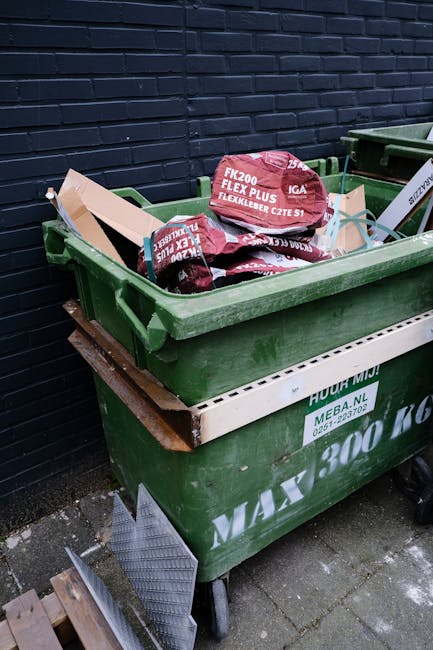
Common Mistakes to Avoid
Most bulky waste problems come from a few predictable missteps. Fortunately, they are easy to avoid once you know what to look for.
- Leaving sorting until the last minute: mixed waste piles take longer to deal with and are harder to assess.
- Guessing the access: "It should fit" is not the same as measuring it.
- Trying to move oversized items alone: if something is too heavy for one person, it probably is.
- Ignoring disassembly: a few screws can turn one impossible item into two manageable ones.
- Mixing hazardous or specialist waste with normal bulky items: batteries, chemicals, paints, and some electrical items need separate handling.
- Choosing the wrong service for the load: a single sofa and a full room clearance are not the same request.
There is also a quieter mistake: underestimating the emotional load of a cluttered room. People delay removal because they do not have time, then the clutter starts to feel worse every day. You know the feeling. The good news is that once the first bulky item goes, momentum usually follows.
Tools, Resources and Recommendations
You do not need specialist gear for every bulky waste job, but a few simple tools and sensible resources help a lot.
- Tape measure: for doors, lifts, hallways, and awkward furniture dimensions.
- Basic screwdriver set: useful for disassembling furniture where appropriate.
- Strong gloves: better grip and less chance of cuts from splinters or sharp edges.
- Blankets or floor protection: useful in hallways and communal spaces.
- Labels or masking tape: handy if you want to mark what is staying, going, or being recycled.
From a service point of view, the most helpful pages are usually the ones that explain what a provider can handle, how safety is managed, and how pricing is presented. If you are comparing options, services overview, insurance and safety information, waste carrier compliance, and pricing and quotes are sensible places to look on any provider's site.
If your bulky waste is tied to a commercial setting - maybe an office refresh or a shop strip-out - then a more tailored approach may be needed. In that case, office clearance or commercial waste removal may be more appropriate than a standard domestic collection.
Law, Compliance, Standards, or Best Practice
Any bulky waste collection should be handled with basic legal and safety awareness. In the UK, householders still have a responsibility to make sure their waste is passed to a legitimate carrier and disposed of properly. That means being careful about who you hand it to and keeping an eye out for clear business details, proper communication, and sensible handling practices.
Best practice is straightforward: use a provider that can show they are operating responsibly, avoid fly-tipping risks, and do not leave waste out where it can become a nuisance or block shared areas. If an item is being removed from a flat or block, consider neighbours, management rules, and access times as well. Common courtesy is not a legal standard, but it makes everything go much more smoothly.
For anything potentially hazardous, such as damaged fridges, items with batteries, or renovation waste that may include restricted materials, ask before booking. It is much better to clarify early than to discover on the day that a load needs to be split into separate streams. That kind of surprise is nobody's favourite.
When you are checking a company, it also helps to review pages such as about us, payment and security, terms and conditions, and privacy policy. Those pages are not glamorous, but they often tell you how careful and transparent a provider really is.
Options, Methods, and Comparison Table
Different bulky waste situations call for different methods. The best choice depends on quantity, timing, access, and whether the items can be reused or recycled.
| Method | Best for | Strengths | Watch-outs |
|---|---|---|---|
| DIY disposal to a local facility | Small amounts, people with a suitable vehicle | Can be cost-effective if you already have transport | Time-consuming, heavy lifting, parking and loading hassles |
| Bulky item collection | Single large items or a few pieces of furniture | Simple and relatively quick | Needs clear item details and access planning |
| General rubbish collection | Mixed household waste with some bulky pieces | Useful for varied loads | May not suit very large or specialised items |
| Full waste removal / clearance service | Loft clear-outs, house moves, refurbishments | Most comprehensive and convenient | May be more than you need for one item |
To be fair, the "best" method is often the one that makes the job disappear with the least friction. If you are dealing with more than just a chair and a lamp, a broader waste removal or house clearance approach can save a lot of back-and-forth.
Case Study or Real-World Example
Picture a typical Lavender Hill flat: second floor, narrow stairwell, one old three-seater sofa, a broken bedside cabinet, and a heavy mattress. The resident first considers dragging everything down in one go. Sensible enough in theory, but the hallway turns sharply halfway down, and the sofa does not forgive that kind of geometry.
Instead, the sofa legs are removed where possible, the cabinet is dismantled, and the mattress is wrapped to keep the stairs cleaner. The resident also checks the lift and common entrance times with the building manager, then books collection for a window that avoids peak foot traffic. The whole job is over in a single visit. No scuffs, no shouting in the stairwell, no ruined Sunday.
Another useful example is a home refresh after decorating. A family replaces a sofa, an old shelving unit, and a pile of offcuts from a small room renovation. Rather than mixing everything together, they separate the furniture from the builders waste. That makes the collection cleaner and easier to process, and it can also reduce confusion when the items are loaded.
If the job involves leftover timber, plasterboard, or mixed renovation debris, it may be more relevant to use builders waste disposal. If it is mainly old sofas, chairs, or tables, then furniture disposal is the closer fit.
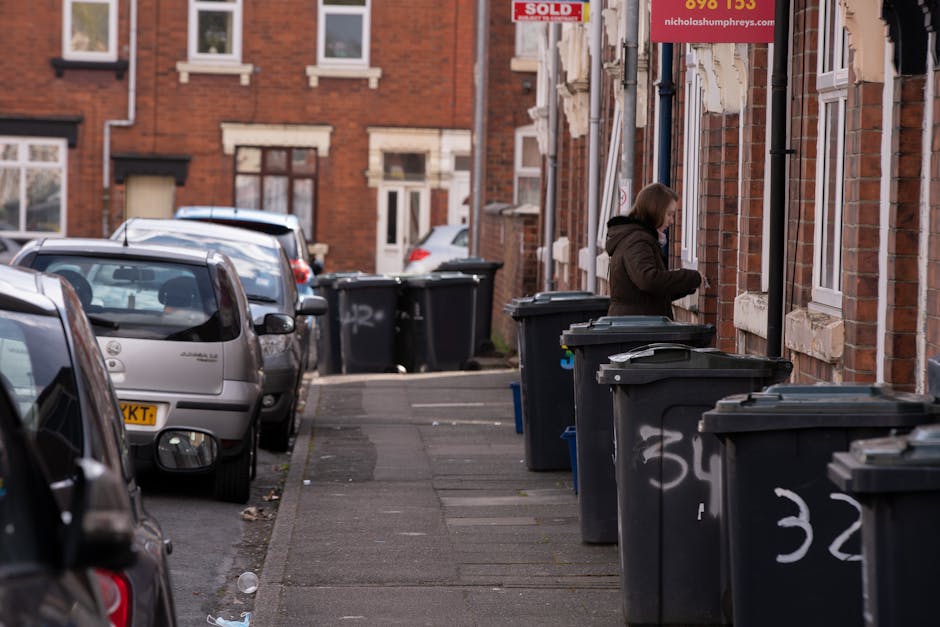
Practical Checklist
Use this quick checklist before your bulky waste collection day.
- List every item that needs removing.
- Separate reusable, recyclable, and disposable pieces.
- Measure doors, stairs, lifts, and any awkward corners.
- Check whether items need dismantling.
- Move fragile objects and floor obstacles out of the route.
- Confirm the collection time and access arrangements.
- Keep an eye out for specialist waste such as appliances or electronics.
- Ask how the waste will be sorted or recycled.
- Make sure everyone in the property knows the plan.
- Take a breath - it will usually be fine once the first item is out.
If the clearance is urgent and you need a quick turnaround, it can help to look at same-day rubbish removal in Battersea Power Station SW11 as a reference for how fast-turnaround collections are often approached.
Get a free quote today and see how much you can save.
Conclusion
Bulky waste does not need to turn into a stressful project. With a bit of sorting, a realistic look at access, and the right collection method, you can clear large items from a Lavender Hill property without the usual drama. The key is to think ahead, not just act fast.
Whether you are removing a single sofa, clearing a loft, dealing with mixed household waste, or handling the aftermath of a renovation, the same principles apply: plan the load, protect the access route, use a responsible disposal route, and do not leave awkward items sitting around for weeks. A tidy space has a way of making everything else feel lighter. That part is hard to overstate, really.
If you do the job properly once, you will not have to keep thinking about it. And that, on a crowded London street with a busy day ahead, is a very good feeling.